
Answer · Fractional CTO
Why Startups Win With a Fractional CTO
Startups get senior technical leadership for a fraction of a $250,000-plus hire, without giving up equity. The specific advantages, with the numbers.
In short
Startups win with a fractional CTO because it buys senior technical judgment, on architecture, vendors, and hiring, part-time instead of through a $250,000-plus fully loaded hire and a 3-6 month search. A fractional CTO decides what to build but does not build it. Asaasin sells the build side, AI dev pods: An entire dev team starting at $10K/month. 6 months of work in 60 days.
Key numbers
- A senior AI/ML engineer hired direct runs roughly $250,000 a year or more, fully loaded, per our homepage, against a 3-6 month search before anyone ships code.
- The offer: An entire dev team starting at $10K/month. 6 months of work in 60 days. Month-to-month with a 30-day cancellation notice.
- A pod is typically live within five business days and ships weekly, with a clickable prototype built before you commit to anything.
- Every tier carries 2-5 senior engineers, not one, which is the direct answer to "one hire, one risk."
- A separate, lower figure, $120,000-$160,000/year plus overhead for a mid-level AI engineer, appears on the pods page and should not be merged with the $250k senior figure above.
What a fractional CTO is, and what a pod is
Most startups asking for a fractional CTO picture one senior person, part-time, with a seat at the table, and that is what the role is: judgment and direction, usually without writing production code. A pod is something else: a pod lead plus a bench of senior engineers and QA, sized to the project, that builds and ships the code. The two answer different questions, and a pod is not a replacement for the CTO role.
Some claims common in the fractional-CTO conversation also do not apply to a pod. There is no equity stake, no cap-table line, no board seat. The engagement is a monthly subscription, described exactly on our pricing page, not an advisory-shares arrangement. If your search is specifically for an equity-compensated advisor, see how a fractional CTO's scope and cost typically breaks down and compare that against a pod before deciding which gap you are actually closing.
The hiring math a pod is built to beat
The comparison starts with one number: a senior AI or ML engineer, hired direct, runs roughly $250,000 a year or more once salary, benefits, recruiting, and overhead are fully loaded, per our homepage. The same page frames the timeline: 3-6 months from job posting to a signed offer, before the new hire has shipped a line of code.
A separate comparison, on the pods page, cites a different figure for a different role: a mid-level AI engineer at $120,000 to $160,000 a year plus overhead, benefits, recruiting, and ramp. That is not the same hire as the $250k senior figure above, and the two should not be merged into a single number. One is a senior fully loaded cost; the other is a mid-level range. Either can be weighed against a pod, but they are answering slightly different questions and we keep them separate rather than quote a blended figure nobody actually published.
One hire is one risk
A single in-house hire, however senior, is a single point of failure. They get sick, they take another offer, their specialty turns out to be the wrong match for the actual build, and the project stalls until you search again, this time under more pressure than the first search. Our homepage frames this plainly as one hire, one risk.
A pod's structure is the direct answer to that risk. Every tier carries 2-5 senior engineers, not one, with a named lead who owns the architecture and a bench that can absorb a sick day, a vacation, or a skills gap without pausing the sprint. Redundancy is not a feature we added later, it is the reason the pod exists as a unit instead of as a single contractor.
How fast a pod actually starts
Speed is the other half of the pitch, and it is specific, not a vague promise. Per how our process works:
- A single session to scope the project.
- A clickable prototype, built at no cost, before you commit to anything. You keep it even if you walk away.
- The pod starts, typically live within five business days.
- Daily standups in your existing channels, weekly shipped code or demos.
- Handover of the repository, migrations, deploy pipeline, and documentation whenever the engagement ends.
Everything ships into your own repository and your own cloud account from week one. If the pod disappeared tomorrow, nothing in the system calls back to us.
What each tier includes
| Tier | Build tracks | Team |
|---|---|---|
| Builder Pod | 1 active | Pod lead + 2-engineer bench |
| Growth Pod | 2 concurrent | Pod lead + 3-engineer bench |
| Enterprise Organization Pod | 3+ parallel | Dedicated senior lead + 3-8 engineers |
The price is one line: An entire dev team starting at $10K/month. 6 months of work in 60 days. Book a call to scope which shape fits your build.
All three are month-to-month with a 30-day cancellation notice, billed as capacity rather than hours. There is no per-hour billing and no change-order process; a paused month is not billed and the seat is held. See the full breakdown, including what each tier adds beyond headcount (strategy calls, hosting discounts, priority SLA), on the pods page. For a side-by-side of what a pod replaces versus a direct hire, our build pod versus in-house hire comparison walks through the tradeoffs in more detail.
Why this matters more in regulated startups
A compliance-conscious founder is not just buying speed, they are buying a team that will not make the project harder to pass an audit later. We sign Business Associate Agreements on request and operate HIPAA-aligned controls. There is no such thing as "HIPAA certified" since HIPAA has no certification to hold, so that is the exact and honest claim, detailed on our security page.
Two HIPAA-aligned platforms have shipped in production: a compounding-pharmacy network's routing and consent platform, and a Medicare/Medicaid medical-billing audit system. For a deeper look at what "HIPAA compliant" actually requires from a vendor, see our breakdown of HIPAA compliant software requirements.
Proof the pod model ships at this scale
The structure only matters if it produces working systems. A few data points from past builds, each described at the sector level with no client names:
- A political data and campaign-intelligence firm's platform scores 25.3 million voters and matches $2.365 billion in federal contributions, running three states from one codebase behind an automated verifier.
- A public-sector spend auditor's fraud-detection engine runs eight detectors fully offline, air-gapped, modeled across 58 counties, so sensitive financial data never leaves the building.
- A compounding-pharmacy network's platform carries a seven-year immutable audit log and ships with 490+ unit tests, built spec-first against numbered requirements.
None of these were built by one person. Each reflects a pod: a lead making architecture calls, engineers shipping against a sprint roadmap, QA holding the gate. That is the structure of a build team, not an executive title.
The short version
A fractional CTO gives a startup senior technical judgment part-time, without a $250,000-plus full-time hire, a 3-6 month search, or equity on the cap table, but it does not ship code. A pod is the build side: a subscription engineering team with a pod lead, a bench, and QA, live within five business days, with 2-5 senior engineers instead of one point of failure, built to ship weekly and hand over everything it builds. An entire dev team starting at $10K/month. 6 months of work in 60 days. Book a call to get started.
Frequently asked questions
- Is a build pod the same as hiring a part-time CTO?
- No. A pod is a build team, a pod lead plus a bench of senior engineers and QA that ships code; it is not a part-time executive and not a substitute for one. If you need a named advisor for governance or investor conversations, that is a fractional CTO engagement, and [the guide to what a fractional CTO does](/blog/what-does-a-fractional-cto-do) covers that scope directly.
- Does a pod take equity like some fractional CTOs do?
- No. Every tier, Builder, Growth, or Enterprise, is a flat monthly subscription with no cap-table involvement, billed month-to-month with a 30-day cancellation notice. There is no equity component in the pricing structure described on [our pricing page](https://www.asaasin.ai/pricing).
- How does the $250k figure compare to the $120k-160k figure I saw elsewhere?
- They describe different roles. The $250k-plus figure is a fully loaded senior AI/ML engineer hire, cited on the homepage alongside the 3-6 month hiring timeline. The $120k-160k figure describes a mid-level AI engineer hire, cited separately on the pods page. Use the comparison that matches the seniority you actually need, not a blend of the two.
- What happens if we need to pause or cancel?
- Cancellation requires 30 days' notice by email. A paused month is not billed, and the pod seat is held rather than released to another client, so resuming does not mean starting over with a new team.
Sources
The team behind Asaasin Engineering
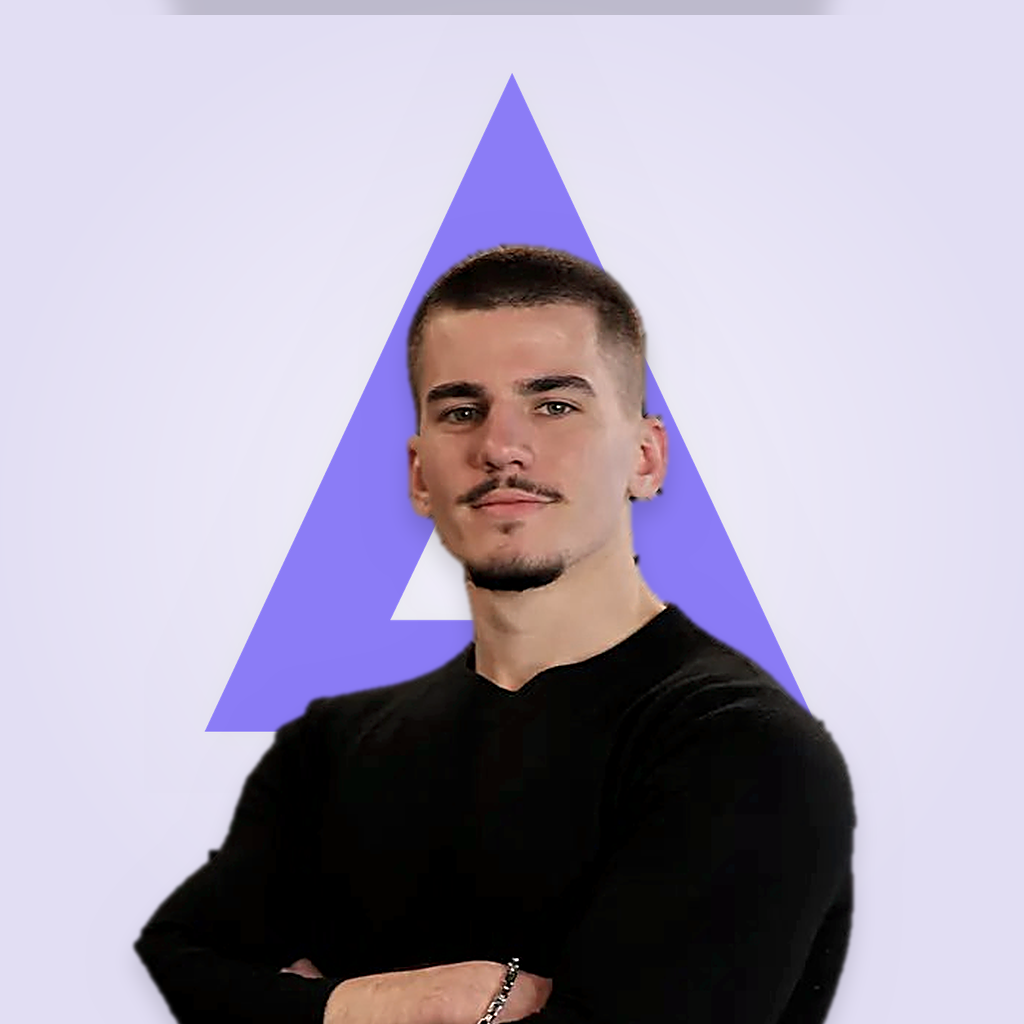
Blend Berisha
Technical Lead / Engineering Lead

Doruntina Buzhala
Business Development Manager

Erin Abduli
Full-Stack Engineer

Florent Hoti
Co-Founder & CEO
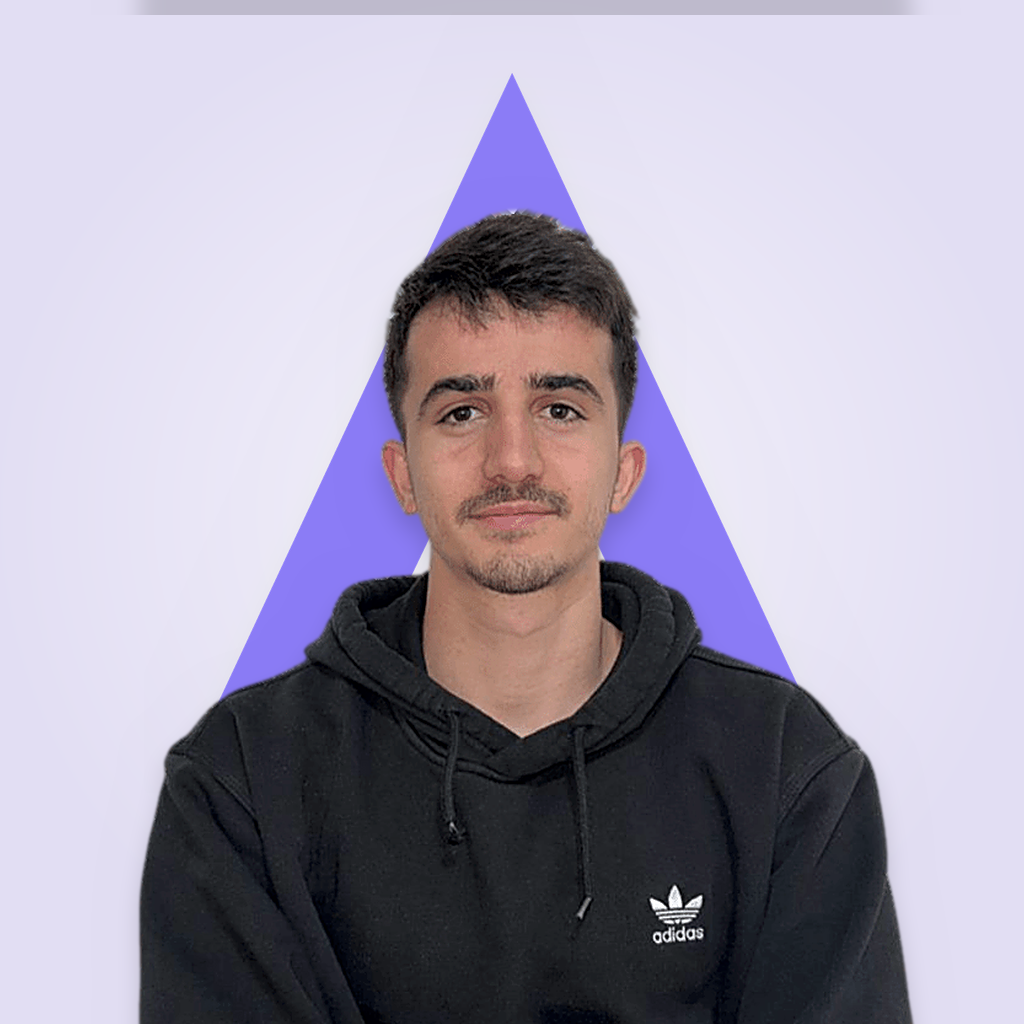
Gentrit Hoti
Software Engineer

Hana Anadolli
Operations Manager
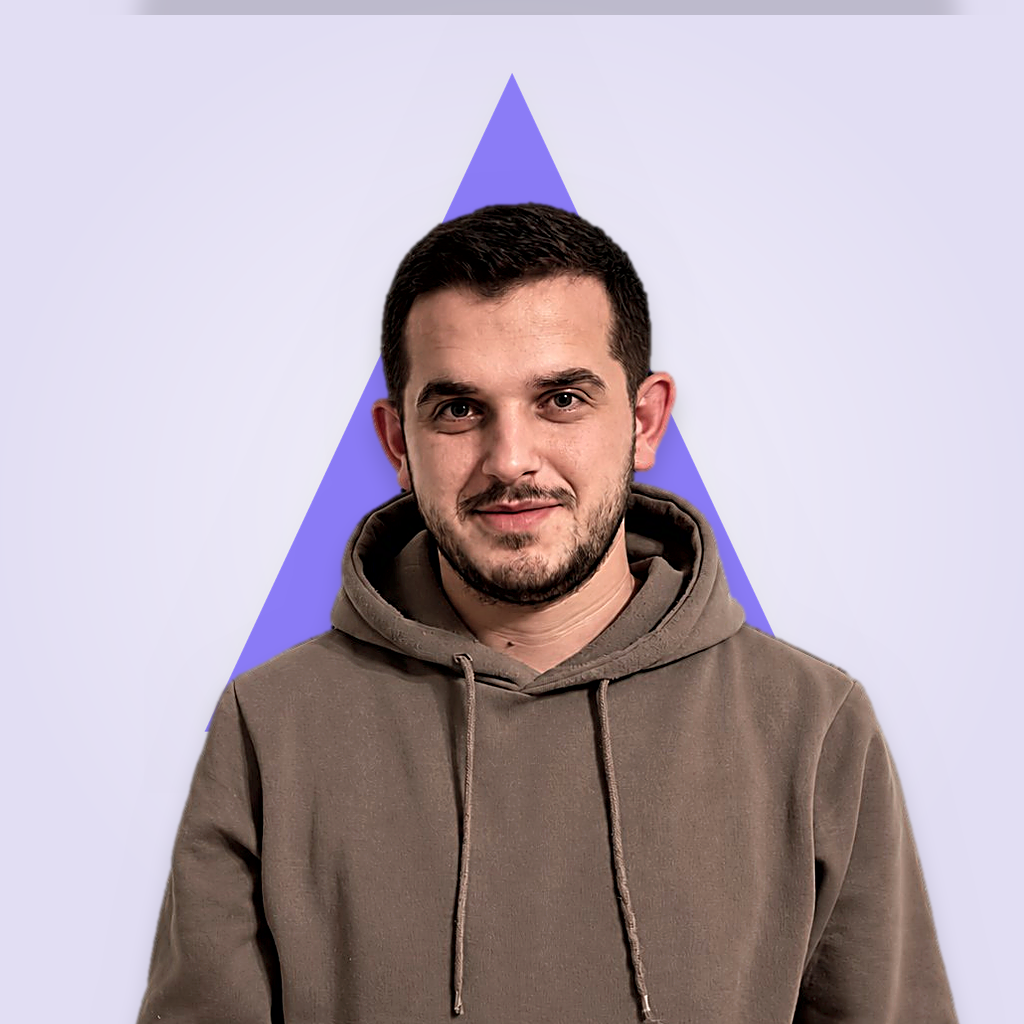
Krenar Mahmuti
AI Automations Specialist